Have you ever visited a new place and been struck by an immediate, distinct feeling that you know it even though you’ve never been there? That happens to me a lot, and the phenomenon is one of the reasons I love to travel. I often wonder how much of it is the place speaking to me vs. me projecting my own experiences on it. At the same time, I’ve also learned that feelings, like looks, can be deceiving, sometimes exceedingly so as exemplified by my experience this past weekend.
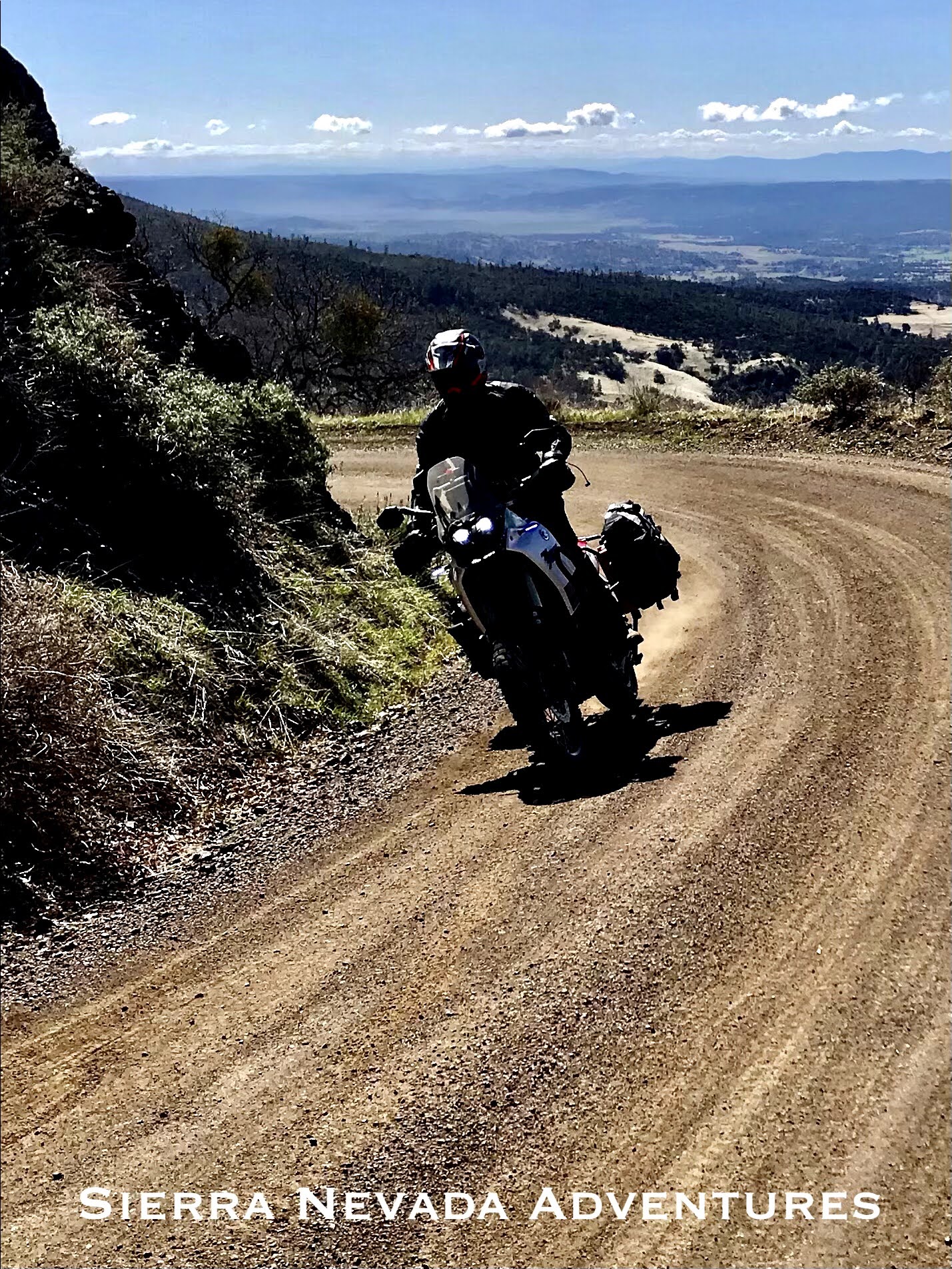
On Saturday morning, our Sierra Nevada Adventures riding group met in the farming town of Hollister, California and made a winding journey south along the Carrizo Plain, a vast grassland traversed by the San Andreas Fault. After a full day of spirited riding through gorgeous countryside, we stopped for the night in the town of Taft, Taft is an oil town formed at the turn of the 20th century when massive petroleum deposits were discovered in the southernmost part of the San Joaquin Valley. It’s the kind of place where people graduate high school and work their entire lives for the local, dominant employer, in this case Standard Oil. The houses are modest, and many look long overdue for some maintenance. The streets are gaudily wide, probably to accommodate Independence Day parades gone by. One suspects its glory years are behind it, but even so, the town’s history speaks out through its public parks and buildings, a superbly architected high school built during the heyday, and a proud little museum recalling past glories.
As I am wont to do in new places, I got up very early Sunday morning, walked the empty streets, and watched as the town stretched its limbs and slowly came to life. I happened upon a restaurant, which had its Closed sign out, but I observed three elderly gentlemen inside setting the tables. As the door wasn’t locked, I stepped inside and inquired when they would be open. The men informed me that they were customers, not employees, and they liked to show up early to give the waitress a head start on the day. Yep, this is a small town alright.
Inviting me to sit down, they poured me a cup of hot coffee (still no waitress!) and welcomed me to their regular Sunday morning meet up. As more friends arrived, I could see that even at 60, I markedly lowered the average age in the place. In the course of their conversation, I learned that nearly all of these folks had grown up in the town, worked in the oil fields, and retired to a quiet life in the only home they’ve ever known. Aside from their extreme friendliness – they all addressed me by my first name – I was struck by the amount of laughter in the room. Every utterance, no matter how unremarkable, invoked immense chortling and guffawing. I was either not in on the joke, or more likely they were simply inclined toward merriment. They were also enormously kind to each other and very well informed about details of their companions’ lives. When one of the men was conspicuously late, it was roundly agreed that his cat had not awakened him. Sure enough, when he finally showed up, he informed the group that the cat had not yet adjusted to Daylight Savings Time. Ok, that is humorous.
While enjoying a ridiculously large breakfast and about a gallon of coffee, I looked up the town’s history, and I was thunderstruck by a fact for which I was totally unprepared. In its early years, Taft was what was known as a “sundown town” which, according to Wikipedia were “all-white municipalities or neighborhoods in the United States that practice a form of racial segregation by excluding non-whites via some combination of discriminatory local laws, intimidation, and/or violence”. The term comes from the posted signs that informed “colored people” that they must leave by sundown. I was stunned as I had no idea such places existed in California.
Given the ages of these citizens, they surely lived during that period, and I struggled mightily to assimilate this new information with my earlier observations. Were I a bit more intrepid, I would have found a way to raise the subject and hopefully hear their remembrances and perspectives about this stain on their town’s history. It would have been especially relevant in today’s troubled times. But I’m a motorcycle traveler, not an investigative journalist, so I was left to wonder how this had played out in the town and in their own lives. And I was reminded once again how first impressions only tell a small part of the story.
Wrapping up breakfast, I received enthusiastic well wishes on my travels and resumed my ride. Heading out of town, I passed hundreds of oil drills, most no longer active. These relics stand as stark sentinels of the past, a reminder that times are always changing. We can only hope for the better.


Small towns are about the only place you can still find a Sears store 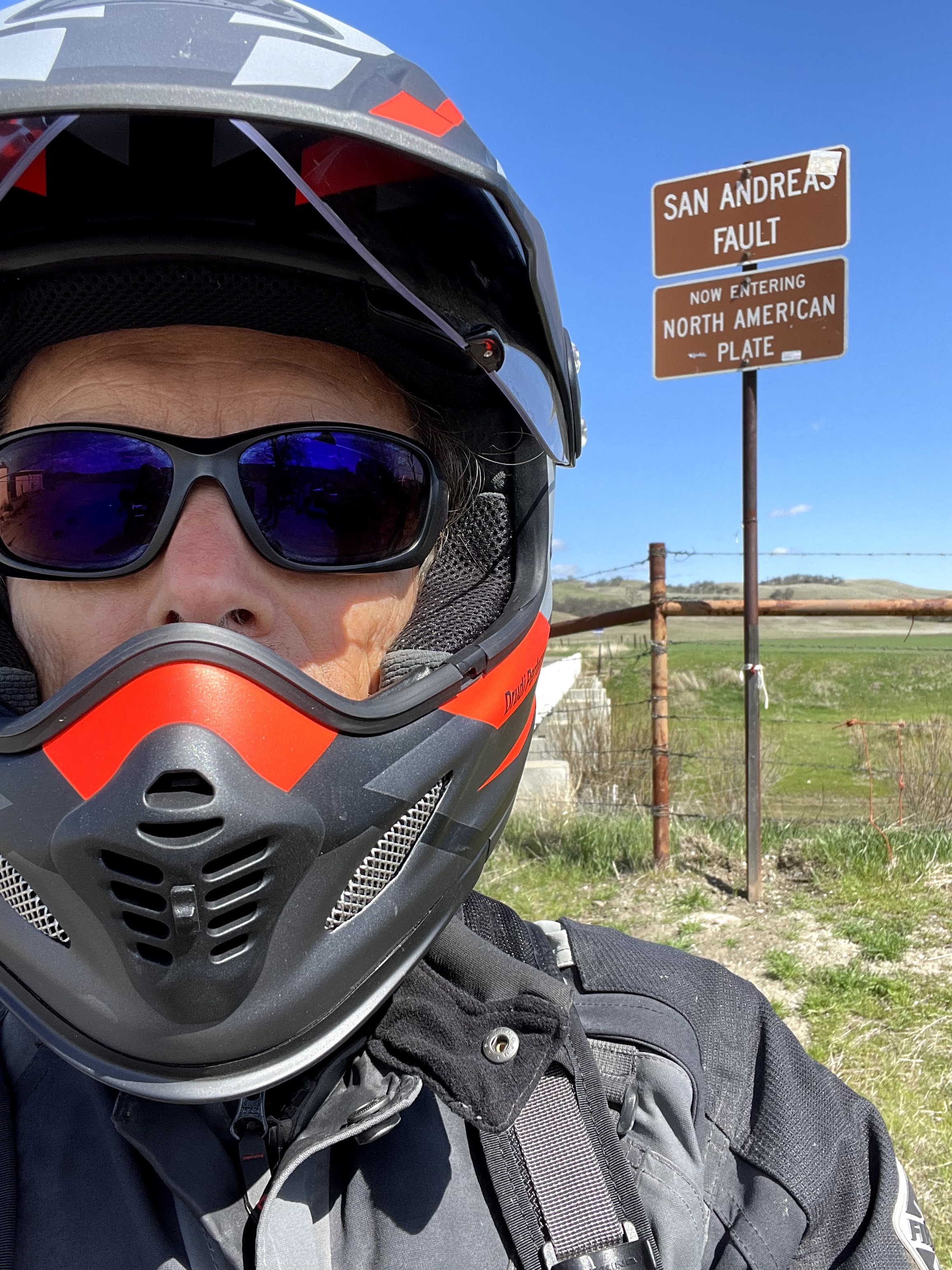

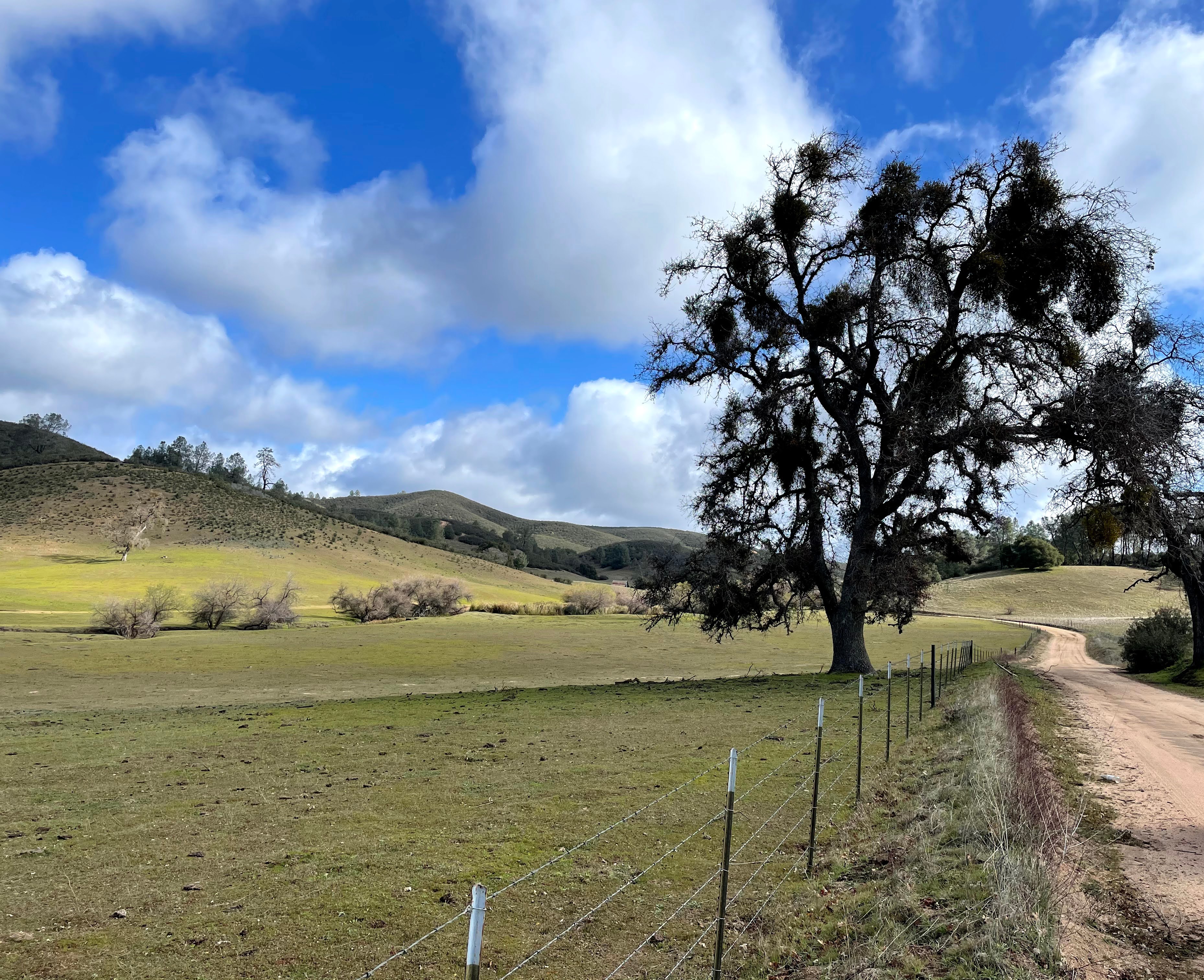
I wonder what’s down that road…
 My 3rd Third